Fever in Children: When to Worry, When to Wait
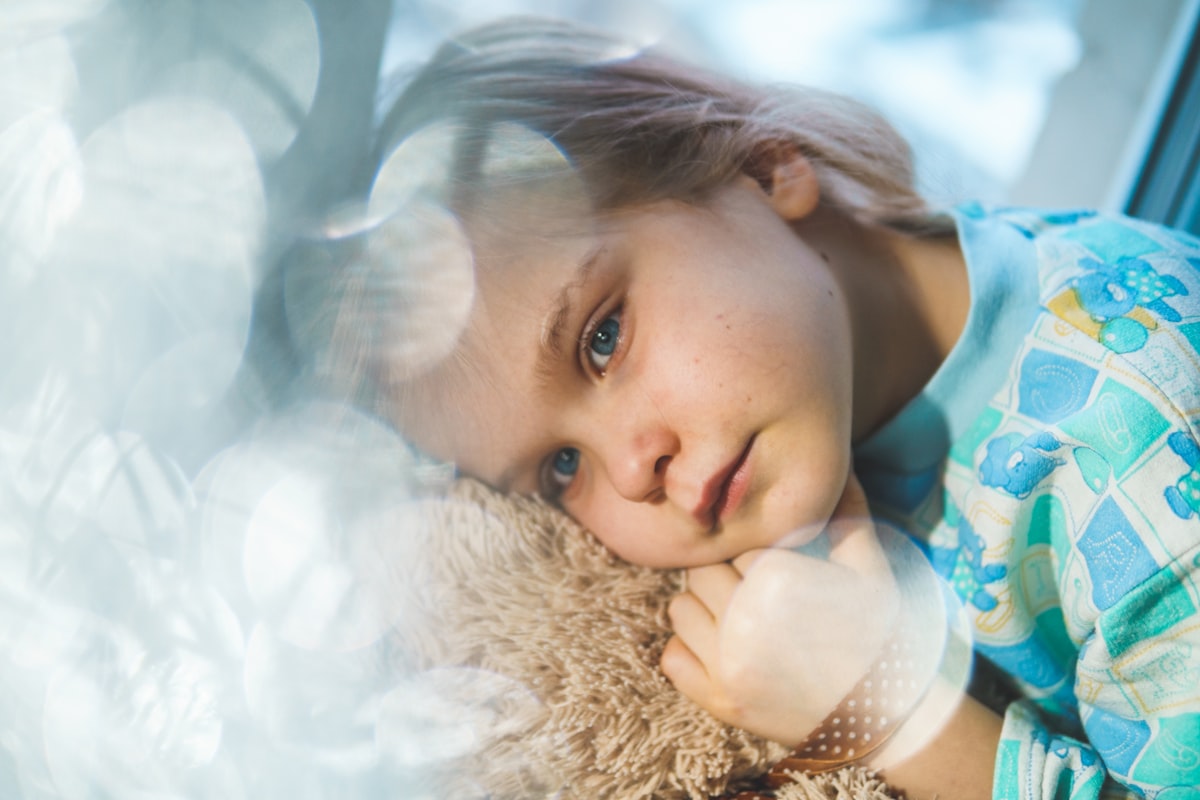
Your child feels hot, they're crying, and you're anxious. Is this a dangerous fever or a normal immune response? As a paediatrician, I see worried parents in this situation every day. Here's what you actually need to know about fever in children.
What Is a Fever?
A fever is generally defined as a body temperature of 38°C or higher (rectal or temporal), or 37.8°C or higher when measured orally. Fever is not an illness. It is your child's immune system fighting an infection. In most healthy children, fever is a normal and even helpful response.
How to Measure Temperature Accurately
The method matters. For accuracy:
Under 3 months: rectal thermometer is most accurate
3 months to 4 years: rectal or temporal (forehead) thermometer
4 years and above: oral or temporal thermometer
Ear (tympanic) thermometers can be used but tend to be less accurate in young children. Avoid fever strips on the forehead. They're unreliable.
When to Worry: Red Flag Signs
Take your child to see a doctor immediately if they have a fever AND any of the following:
Under 3 months old with any fever (38°C or higher, this is always an emergency)
Fever lasting more than 5 days
Fever above 40°C in a child of any age
Difficulty breathing or breathing very fast
Unusual drowsiness, hard to wake, limp, or unresponsive
A rash that does not fade when pressed with a glass
Stiff neck or sensitivity to light
Seizure (even if it stops on its own, always get checked)
Persistent vomiting or signs of dehydration (no wet nappies, dry mouth, sunken eyes)
Your gut says something is very wrong
One important exception: dengue does not follow the usual fever rules. In dengue the dangerous phase often begins as the fever settles, not while it is high. Here are the dengue warning signs to watch for, and when to go to hospital.
If the fever comes with diarrhoea and vomiting, the main thing to watch is dehydration. I cover the signs, and when to get help, in diarrhoea and vomiting in children.
When It's Usually Safe to Monitor at Home
If your child is over 3 months old, has a mild to moderate fever (38 to 39.5°C), is still drinking fluids, is alert and responsive, and has no red flag signs, it is generally safe to monitor at home.
How to Make Your Child More Comfortable
You do not have to bring down every fever. The goal is comfort, not a specific number on the thermometer.
Give paracetamol (e.g. Panadol) or ibuprofen at the correct dose for their weight, not their age
Offer plenty of fluids: breastmilk, water, diluted juice, or oral rehydration solution
Dress them lightly; avoid over-bundling
Lukewarm (not cold) sponging can help with comfort but will not treat the fever itself
Do NOT give aspirin to children, as it can cause a serious condition called Reye's syndrome
Note: Ibuprofen is generally suitable for children 6 months and above. Check with your pharmacist or paediatrician if unsure.
Common Causes of Fever in Children
Viral infections (most common, including cold, flu, roseola, hand-foot-mouth disease)
Bacterial infections (ear infection, urinary tract infection, pneumonia)
Post-vaccination fever (usually mild, resolves within 1 to 2 days, and is normal)
Heat exposure
How Long Should a Fever Last?
Viral fevers typically last 3 to 5 days. If your child's fever has not improved by day 5, or if they seem to be getting worse rather than better, see a doctor.
When to Book a Consultation
When in doubt, trust your instincts and get your child assessed. A brief check by a paediatrician can give you the clarity and peace of mind you need.
Dr. Nisa Khalil is a consultant paediatrician based in Kuala Lumpur. To book a consultation, contact us through the link below.
Worried about your child?
Book an appointment with Dr Nisa Khalil for calm, evidence-based paediatric care when your child is unwell.
Book an appointment