Dengue Warning Signs in Children: When to Get Help
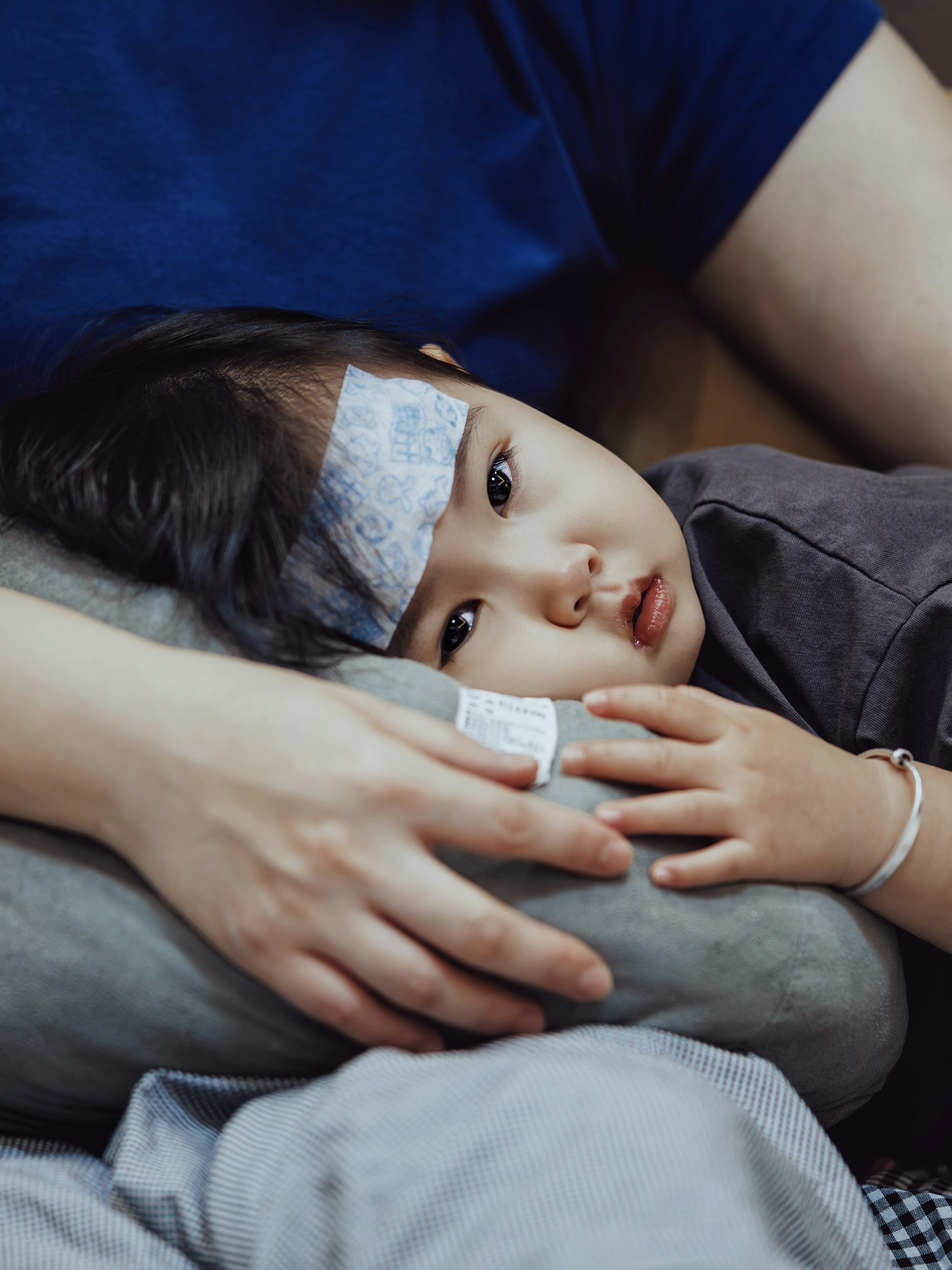
In short: Take your child to hospital straight away if they develop continuous tummy pain, repeated vomiting, bleeding from the nose or gums, unusual sleepiness or restlessness, or if they stop passing urine normally. These warning signs usually appear between day three and day seven of illness, often just as the fever settles and your child seems to be improving.
What are the warning signs of dengue in children?
The warning signs of dengue in children are continuous abdominal pain, persistent vomiting, bleeding from the nose or gums, lethargy or restlessness, and reduced urine output. They usually appear between day three and day seven of illness, often as the fever breaks. Any one of them warrants immediate hospital assessment.
I want to be direct about why this article exists. Most childhood fevers get better on their own, and I say so often. Dengue is the one that does not follow that rule, and the moment it turns is the moment most parents relax.
Why the danger comes after the fever breaks
Dengue moves through three phases, and understanding the shape of the illness matters more than memorising any single symptom.
Febrile phase (roughly days 1 to 7). High fever, body aches, headache, pain behind the eyes, nausea and vomiting. A rash is common. Mild bleeding, small red pinprick spots on the skin, or a nosebleed, can appear.
Critical phase (usually begins day 3 to 7, as the fever drops). This is the dangerous window and it typically lasts 24 to 48 hours. Fluid leaks out of the small blood vessels. Your child’s temperature may look reassuringly normal while they are in fact getting worse.
Recovery phase. Appetite returns, energy returns, and the leaked fluid is gradually reabsorbed over the following 48 to 72 hours.
So the sentence I most want Malaysian parents to carry: a falling temperature in dengue is not automatically good news. Day three onwards is when to watch most closely, not least. This is the opposite of the guidance for most other childhood fevers, which I’ve written about in fever in children, when to worry and when to wait.
The warning signs, in plain language
Malaysia’s Ministry of Health clinical practice guideline on the management of dengue in children lists a specific set of warning signs. Four of them are things you can see at home:
Abdominal pain that is continuous rather than coming and going, or a tummy that is tender to touch
Persistent vomiting, two or more episodes leaving your child exhausted or unable to keep fluids down
Bleeding from a mucosal surface, nose, gums, the whites of the eyes, or blood in vomit, stool or urine
Lethargy or restlessness, a child who is unusually difficult to rouse, floppy, or conversely agitated and unsettleable
Reduced urine output, fewer wet nappies, or a child not passing urine for many hours, sits on the Ministry’s dengue home-care advice as a danger sign to return immediately, and it is the most practical hydration gauge you have at home.
Three further warning signs on the same clinical list can only be found on examination or a blood test: an enlarged liver of more than 2cm, fluid collecting around the lungs or in the abdomen, and a rising blood concentration (haematocrit) alongside a falling platelet count. That is part of why review by a doctor during the illness, with a blood test, matters, rather than watching alone at home.
What to do at home while you’re monitoring
Paracetamol only, for fever and aches. The Malaysian guideline gives 10 mg/kg per dose, up to three or four times daily. Do not exceed it.
No ibuprofen, no aspirin, no other NSAIDs, and no intramuscular injections. All of them increase bleeding risk in dengue. This includes over-the-counter combination flu medicines, check the label.
Keep fluids going, and track them. Plain water, oral rehydration salts, milk, soup, diluted juice. Small amounts, often, beats large amounts occasionally.
Use urine as your gauge. Passing urine four to six times a day is a reasonable sign of adequate intake. Fewer wet nappies is a danger sign, not a minor detail.
Antibiotics will not help. Dengue is a viral infection. Antibiotics treat bacteria and have no role here.
Get reviewed daily while the fever lasts, and from day three, twice daily if you can. A blood test to follow the platelet count and haematocrit is what makes home monitoring genuinely safe.
Who should be in hospital rather than watched at home
The MOH guideline recommends admission where a child has any of the following:
Age under 12 months
Any of the warning signs above
Features of severe dengue
A significant existing medical condition
Circumstances that make careful monitoring at home impractical, distance from a clinic, no transport at night, no adult free to watch through the day
That last one is not a failing on your part. If you cannot realistically watch a child hourly, say so to your doctor. It changes the plan, and it should.
FAQ
How long does dengue fever last in children?
The fever itself typically lasts two to seven days, with symptoms usually starting four to ten days after the mosquito bite. The critical phase follows as the fever settles, generally between day three and day seven, and lasts 24 to 48 hours. Full energy often takes another one to two weeks to return.
Can I give my child ibuprofen for dengue fever?
No. Ibuprofen, aspirin and other non-steroidal anti-inflammatory medicines increase the risk of bleeding in dengue and should be avoided, as should intramuscular injections. Paracetamol is the only fever medicine recommended, at 10 mg/kg per dose, three to four times daily at most. Check combination cold remedies for hidden NSAIDs.
My child’s fever has gone. Is she out of danger?
Not necessarily. In dengue the critical phase usually begins as the temperature falls, around day three to seven. This is when fluid leaks from the blood vessels and when children can deteriorate quickly despite looking cooler and calmer. Continue watching closely for 24 to 48 hours after the fever settles.
Is a rash in dengue dangerous on its own?
A rash is common in dengue and is not by itself a reason to rush to hospital. What matters is the company it keeps. Small red pinprick spots that do not fade under pressure, bleeding gums or nosebleeds, alongside tummy pain, vomiting or drowsiness, mean your child needs assessing straight away.
How do I know if my child is drinking enough?
Urine output is the most practical measure at home. Four to six times a day suggests intake is adequate. Fewer wet nappies, dark concentrated urine, a dry mouth, no tears when crying, or unusual drowsiness all suggest your child is behind on fluids and should be reviewed the same day.
Can a child get dengue more than once?
Yes. There are four dengue serotypes, and infection with one gives lasting protection only against that type. A second infection with a different serotype carries a higher risk of severe dengue. If your child has had dengue before, treat any new dengue-like fever with more caution, not less.
When in doubt, get seen
Dengue is one of the few childhood illnesses where the cost of being over-cautious is very low and the cost of waiting can be high. If you’re uncertain, that uncertainty is itself a reason to have your child looked at. You can book an e-consult for guidance, or make an appointment for a review. For general guidance on fever in children, see the fever section. Vomiting and loose stools are also common with stomach bugs, and my guide to diarrhoea and vomiting in children explains how to spot dehydration. But in a child with a dengue-like fever, repeated vomiting is a warning sign and needs review straight away.
If your child has any warning sign, continuous tummy pain, repeated vomiting, bleeding, unusual drowsiness or restlessness, or is not passing urine, go to the nearest emergency department now. Do not wait for an appointment.
This article is general health information and does not replace an individual assessment by your own doctor. If you are worried about your child, seek medical care.
Worried about your child?
Book an appointment with Dr Nisa Khalil for calm, evidence-based paediatric care when your child is unwell.
Book an appointment